
The Strategic Foundation: How Asset Management Creates the Framework for Tenant Success

May 14, 2026

The reason your lease renewal feels different at AB&B starts with decisions being made three levels up from what you see every day.

Brett Earp started in commercial real estate 32 years ago as a property manager doing the ground-level work: hiring landscaping crews, coordinating contractors, solving day-to-day operational problems across properties. That hands-on foundation shaped how he thinks about properties today. Because before you can manage a portfolio strategically, it helps to understand exactly what happens at ground level and why every detail matters to the businesses operating inside each building.

Today, as AB&B’s Asset Manager, Brett operates at a different altitude, making sure every decision from capital improvements to tenant selection to long-range planning creates an environment where tenant businesses can thrive.

“The property manager is more focused on specific problems,” Brett explains. “The asset manager is really on the big picture, making sure the property is leased, generating good revenue, and that we’re making smart investments that benefit everyone.”

That strategic thinking is what tenants experience every day, even if they never see the planning behind it.

Strategic Tenant Selection: Your Neighbors Matter

One of the most direct ways asset management affects tenant experience is through strategic tenant selection, the careful curation of who becomes your business neighbor and why.

Brett thinks about this systematically. In retail properties, he analyzes traffic patterns across the day: morning-heavy restaurants draw early visitors, lunch spots pull midday traffic, evening experiences fill parking lots after work. Done right, each tenant reinforces the others.

“You’re really trying to gear it to maximize the sales of the tenant,” Brett explains. “In retail, that’s the only thing that matters. They’re there to generate revenue, and you want to try to maximize that.”

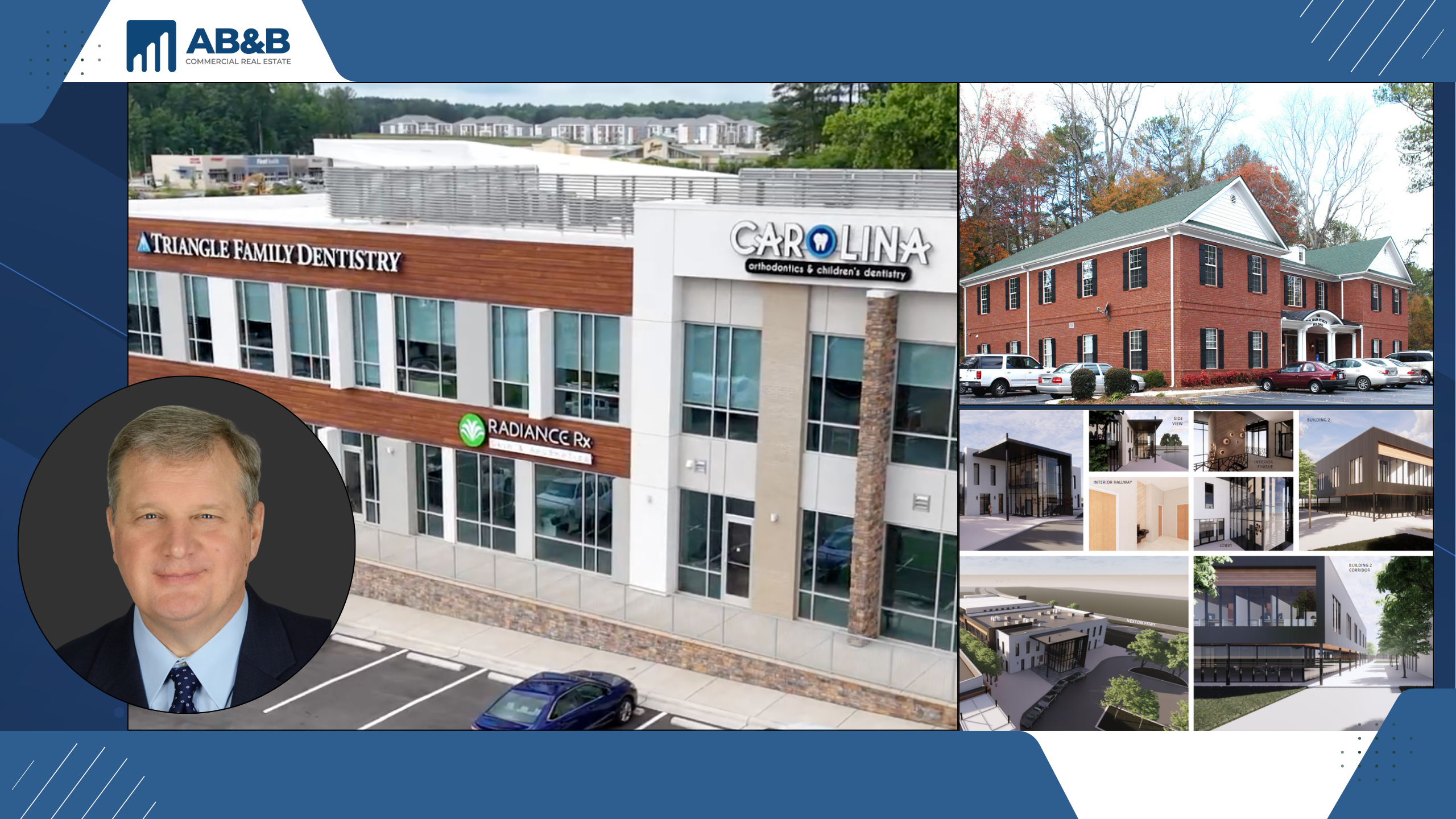
Take AB&B’s Nexton property in Charleston. Rather than filling 4,500 square feet reactively, Brett analyzed the full context: a booming market, a Del Webb 55+ community nearby, major housing development, and a high-traffic corner location. The strategic decision? Target medical specialists who serve a growing demographic and want visibility in high-traffic areas.

That kind of context-driven tenant selection is what creates environments where the right businesses find each other and grow together, cross-pollination in its most practical form.

Two Kinds of Investment That Tenants Feel

Brett approaches capital improvements through two distinct lenses, and the distinction matters enormously to tenant experience.

First: improvements that make properties more attractive to tenants and visitors. At MacGregor Village, Brett recently oversaw restoration of the beloved fountain that had been broken for years. As Construction Project Manager Cindy Cohen noted, when it was turned back on, tenants immediately responded with gratitude. It changed how the space felt.

These improvements include lobby renovations, updated restrooms, new monument signage that gives tenants better visibility. “It shows that they’re investing in the property,” Brett says. “And that’s a good sign that they’re going to keep it in good shape, so [tenants] don’t feel bad about extending their lease.”

Second: infrastructure that keeps buildings functioning the way they’re supposed to. HVAC replacements that ensure comfortable working conditions year-round. Elevator modernizations that eliminate downtime. Roof repairs that prevent water damage. Electrical upgrades that support growing businesses’ technology needs.

These aren’t glamorous, but they’re non-negotiable. A building that can’t deliver on basic operational promises isn’t a place where tenants can build reliable, growing businesses.

Balancing these two categories, tenant-facing improvements and infrastructure-driven improvements, is what makes asset management a discipline rather than just a checklist. The goal is always long-term value, for the property and for the people inside it.

The Speed Advantage: Entrepreneurial Decision-Making

Brett has worked for large institutional platforms with committees, multi-month deliberations, layers of sign-off that slow decisions to a crawl. He’s seen how that pace affects properties and tenants.

AB&B operates differently.

“It’s very entrepreneurial,” he says. “Everybody wants to say they’re entrepreneurial, but not that many places really are. You’re sitting there debating things for months at a time. That’s not really entrepreneurial.”

At AB&B, decisions get made. When the team identifies an opportunity, they move. When a problem surfaces, they address it. The absence of bureaucracy isn’t a gap, it’s a strategic advantage that allows the portfolio to stay nimble, responsive, and ahead of the curve in markets that don’t slow down for anyone.

For tenants, that speed has real consequences: improvements get prioritized, not deferred. Lease conversations don’t stall in committees. When something needs attention, the people with authority to act are already in the room.

Strategic Integration: How the Pieces Connect

Brett’s asset management work connects directly with the other parts of the AB&B team that tenants interact with regularly.

In partnership with Cindy, Brett sets strategic direction while Cindy handles execution. When Cindy reviews tenant drawings early in the upfit process to catch scope gaps and city requirements before they cause delays, she’s working within Brett’s long-term vision for the property.

With Trinity Partners’ Margaret Williams, Brett establishes operating budgets and decision-making boundaries. In return, Margaret’s team provides constant ground-level intelligence about what’s happening with tenants, vendors, and property operations.

“They give me a lot of information about what’s happening at the property and what’s going on with the tenants and the vendors,” Brett says. “I need to be aware of these things.”

With Relationship Manager Aimee Lane, Brett has a bridge between strategic planning and daily tenant needs. “She kind of fills in all the gaps,” Brett says. “She can respond to things a lot faster than I can and makes sure things don’t slip through the cracks.”

This integration is what makes AB&B’s Beehive Philosophy work in practice. Each role distinct, each person accountable, all moving toward creating environments where tenant businesses thrive.

Long-Term Thinking in a Fast-Moving Market

Brett’s approach to tenant success is about filling space and creating durability. In retail, that means thinking carefully about tenant mix. Not just who fills the space, but how different businesses interact with each other across the course of a day.

In office environments, the calculation is different but the underlying goal is the same: create an environment where tenants want to stay. Where the building works for them, the systems support them, and the space makes coming in feel worth it.

“For an office property, you’re making sure that all the things are occurring that are going to make tenants want to stay there,” Brett says. “They’re very productive, the space works for them, the building works for them, and they’ll want to stay, hopefully, a long time.”

That long-view orientation distinguishes thoughtful asset management from transactional landlording. The goal is occupancy and sustainability.

Building Success, One Decision at a Time

Ask Brett what a good day looks like, and he doesn’t point to a closed deal or a finished project. He points to progress.

“You’re never really done,” he says. “There’s a bigger plan, and you’re always working towards it. But if you go home and say, ‘hey, I made really good progress towards all these things that we’re trying to achieve’, then you feel pretty good about it.”

That disposition, patient, consistent, focused on sustainable value, is what asset management requires. Properties don’t improve overnight. Business plans unfold over years, not quarters.

What Brett brings to AB&B is the discipline to stay focused on all of it at once: the immediate needs of a property, the medium-term goals of a business plan, and the long-range vision of a portfolio that serves its tenants and communities well.

For tenants, Brett’s strategic foundation means they can focus on their businesses instead of worrying about whether their building will be managed consistently, whether improvements will be made thoughtfully, or whether their lease environment will remain stable and supportive.

At AB&B, that strategic foundation is what makes everything else possible.